Weight Gain After Quitting Smoking: The Truth, The Science, and How to Stay in Control
Introduction: The Fear That Stops People From Quitting
Let’s be honest – one of the biggest reasons people hesitate to quit smoking isn’t the cravings – It’s the fear of gaining weight.
You’ve probably heard it before: “I’d rather smoke than put on 10 kilos.”
Here’s the reality:
Yes, some weight gain after quitting smoking is common – but it’s often misunderstood, exaggerated, and completely manageable.
In fact, once you understand why it happens, you’ll realise it’s not a problem – it’s a signal your body is healing.
This guide breaks everything down in plain English:
- Why does weight gain happen after quitting
- How much is normal (and what’s not)
- What’s going on inside your body
- And most importantly—how to stay in control
How Much Weight Do People Actually Gain?
Let’s cut through the noise and look at the facts.
- The average weight gain after quitting smoking is 2–5 kg (4–11 lbs)
- Most of this happens within the first 3–6 months
- Around 10–15% of people gain more than 10 kg
But here’s the key point most people miss:
👉 Not everyone gains weight—and many gain very little
Some people:
- Stay the same weight
- Gain a small amount, then stabilise
- Or even lose weight over time
Weight gain is possible, not guaranteed.
Weight Gain After Quitting Smoking
Why Do People Gain Weight After Quitting Smoking?
This isn’t about “lack of willpower.” It’s biology.
1. Your Metabolism Slows Down (Slightly)
Nicotine is a stimulant; it:
- Raises your heart rate
- Increases calorie burn
When you quit:
- Your metabolism drops slightly
- You burn about 100–200 fewer calories per day
That’s roughly:
👉 One small snack’s worth of calories
So yes, your body becomes more efficient – but not dramatically.
2. Food Tastes Better (A Lot Better)
Smoking dulls your:
- Taste buds
- Sense of smell
When you quit:
- Flavours become stronger
- Food becomes more enjoyable
Result?
👉 You naturally eat more because it actually tastes good again
Weight Gain After Quitting Smoking
3. You Replace Cigarettes With Food
Smoking isn’t just a habit—it’s a ritual:
- Hand-to-mouth action
- Something to do when bored
- A stress reliever
When that disappears, your brain looks for a replacement.
And guess what’s easy, accessible, and socially acceptable?
👉 Food
Especially:
- Sugary snacks
- Comfort foods
- Quick “dopamine hits”
4. Cravings Get Misinterpreted as Hunger
Nicotine withdrawal can feel like:
- Restlessness
- Irritability
- Empty feeling
Your brain sometimes translates this as:
👉 “I’m hungry”
So you eat… even when your body doesn’t need fuel.
5. Emotional Eating Increases
Smoking often masks:
- Stress
- Anxiety
- Boredom
When you quit, those emotions don’t disappear—they surface.
Without cigarettes, many people turn to:
👉 Food for comfort
The Hidden Truth: Weight Gain Is a Sign of Healing
This is where perspective changes everything.
After quitting:
- Your body repairs damage
- Your appetite normalises
- Your senses return
- Your hormones rebalance
Weight gain isn’t failure.
👉 It’s your body coming back to life.
And compared to smoking?
- Smoking increases the risk of heart disease, cancer, and stroke
- A few extra kilos? Manageable and reversible

The Real Risk: Using Weight Gain as an Excuse
Here’s the blunt truth:
Many people don’t relapse because of cravings.
They relapse because:
👉 “I’m gaining weight, so what’s the point?”
That thinking is dangerous.
Because:
- Smoking does far more damage than a few kilos ever will
- Weight can be adjusted later
- Your health cannot be rewound
How to Prevent Weight Gain After Quitting Smoking
Now let’s get practical.
You don’t need extreme diets or punishment workouts.
You just need awareness and smart habits.
1. Don’t Diet Aggressively
This is where people go wrong.
Trying to:
- Quit smoking
- AND cut calories drastically
👉 That’s a recipe for failure
Instead:
- Focus on stability, not restriction
- Eat balanced meals
- Avoid “all or nothing” thinking
2. Control the “Replacement Habit”
You’re not just quitting nicotine—you’re replacing a behaviour.
So replace it intentionally.
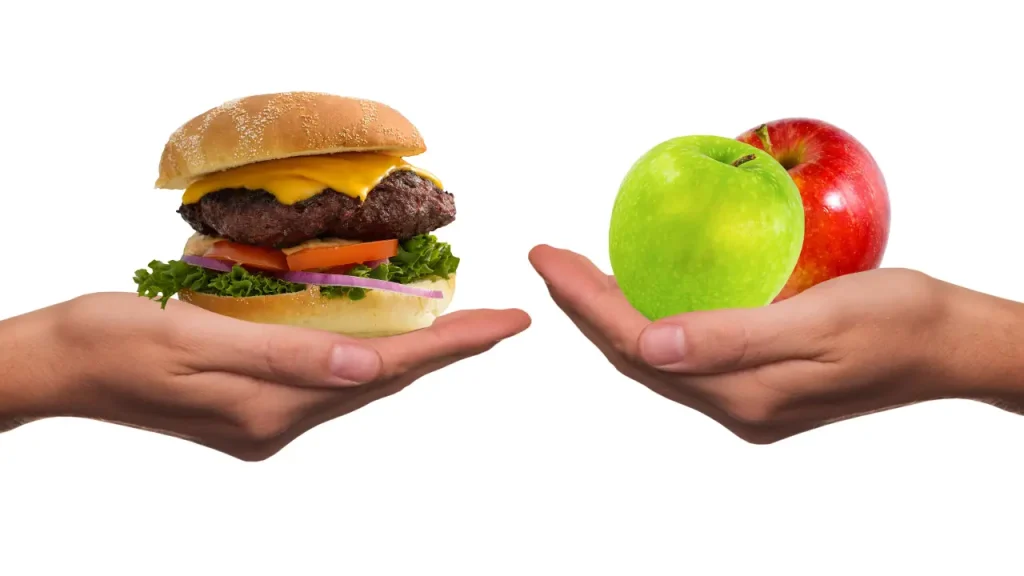
Instead of food, try:
- Chewing gum
- Drinking water
- Herbal tea
- Carrot sticks or low-cal snacks
Keep your hands and mouth busy—without excess calories.
Weight Gain After Quitting Smoking – Remember: choose wisely.
3. Eat Regular, Balanced Meals
Skipping meals leads to:
- Stronger cravings
- Overeating later
Aim for:
- Protein (keeps you full)
- Fibre (slows digestion)
- Healthy fats (satisfying)
Example:
- Eggs + whole grain toast
- Chicken salad
- Greek yoghurt + fruit
4. Stay Hydrated
Dehydration can feel like hunger.
Before eating, ask:
👉 “Am I actually thirsty?”
Simple habit:
- Drink a glass of water before snacks
5. Move Your Body (You Don’t Need the Gym)
Exercise helps:
- Boost metabolism
- Reduce cravings
- Improve mood
But here’s the key:
👉 It doesn’t have to be intense
Start with:
- Walking daily
- Light cycling
- Stretching
Consistency beats intensity every time.
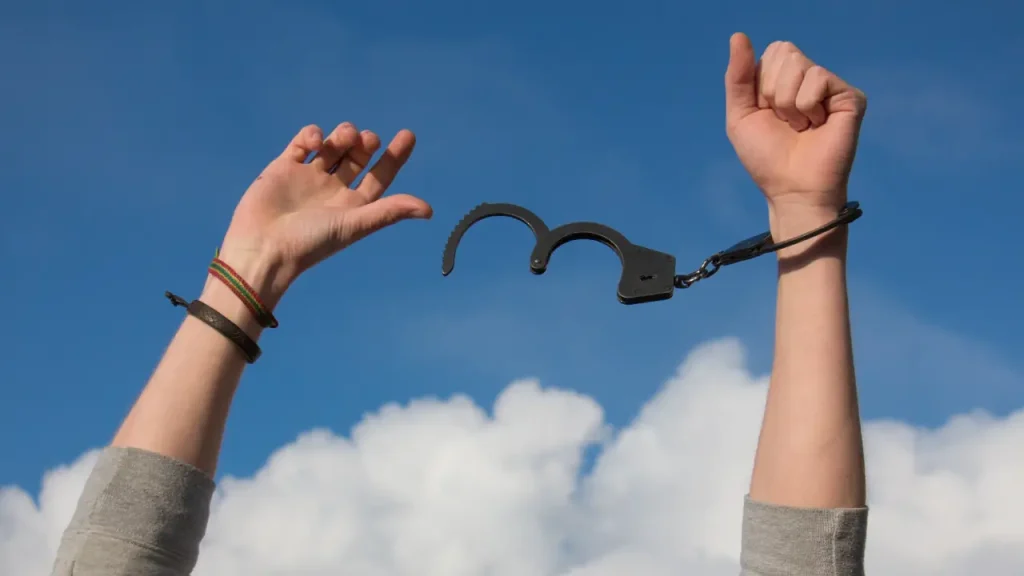
Weight Gain After Quitting Smoking – Time to break free.
6. Plan for Trigger Moments
Know when you’re most likely to:
- Snack mindlessly
- Crave cigarettes
Common triggers:
- After meals
- Watching TV
- Stressful situations
Have a plan ready:
👉 Replace the habit before it replaces you
7. Sleep Matters More Than You Think
Poor sleep:
- Increases hunger hormones
- Reduces willpower
After quitting smoking, sleep can be disrupted.
Prioritise:
- Consistent bedtime
- Reduced screen time before sleep
- Relaxation routines
What If You’ve Already Gained Weight?
First—don’t panic.
Second—don’t undo your progress by going back to smoking.
Instead:
- Accept it as temporary
- Make gradual adjustments
- Focus on long-term habits
Weight gained during quitting is often:
👉 Easier to lose than you think
Because your body is now:
- More oxygenated
- More responsive to exercise
- Healthier overall
The Bigger Picture: Health vs Weight
Let’s zoom out.
Compare:
Continuing to Smoke:
- Increased risk of cancer
- Reduced lung function
- Premature ageing
- Lower energy levels
Quitting (Even With Weight Gain):
- Improved heart health
- Better breathing
- More energy
- Longer life expectancy
It’s not even close.
Weight Gain After Quitting Smoking – Get ready to walk into the sunset as a person FREE from addiction.

The Mindset Shift That Changes Everything
Instead of thinking:
👉 “I don’t want to gain weight”
Shift to:
👉 “I’m rebuilding my body”
Because that’s what’s happening.
You’re:
- Resetting your system
- Breaking addiction
- Regaining control
Weight is just a side effect—not the story.
Frequently Asked Questions
Will I definitely gain weight after quitting smoking?
No. Some people gain weight, others don’t. Most gain only a small amount.
How long does weight gain last?
Usually peaks within 3–6 months, then stabilises.
Can I lose the weight later?
Yes—and often more easily once your body has fully adjusted.
Should I diet while quitting?
Avoid aggressive dieting. Focus on balanced eating instead.
Is weight gain worse than smoking?
Not even remotely.
Final Thoughts: Don’t Let This Stop You
If fear of weight gain is holding you back, here’s the truth:
You’re choosing between:
- A temporary, manageable challenge
- And a long-term, serious health risk
And deep down, you already know the right answer.
Quit smoking first.
Optimise everything else second.
Weight Gain After Quitting Smoking
If you’re ready to quit smoking without fear, controlling your decisions:
👉 Join the QuitSmokingME community
👉 Get support, strategies, and real-world guidance
👉 Take control of your health—one step at a time
Because quitting smoking isn’t about perfection.
It’s about progress.
And you’re already closer than you think.
The team here at Quit Smoking ME wish you every success in becoming the best version of yourself as a non-smoker and a healthier YOU!