
How to Quit Smoking for Good – The Complete Guide: If you’re here, chances are you’ve tried to quit smoking before.
Maybe once.
Maybe dozens of times.
You might have promised yourself “this is the last pack” more times than you can count.
The truth is simple: quitting smoking is hard — but it is absolutely possible.
Millions of people who once believed they would smoke forever are now completely smoke-free.
- Not because they were stronger.
- Not because they had superhuman willpower.
They succeeded because they found the method that worked for them and refused to give up.
This guide will show you exactly how to do the same.
Inside this complete guide, you’ll discover:
- Why quitting smoking is difficult (and why that’s not your fault)
- What nicotine addiction really does to your brain
- The most effective ways people use to quit successfully
- How to deal with cravings and withdrawal
- What happens to your body when you stop smoking
- A proven plan to help you quit smoking for good
If you’re ready to take back control, let’s begin.
Why Quitting Smoking Feels So Difficult
Nicotine Is Designed to Hook You
Nicotine is one of the most addictive substances in the world.
When you smoke, nicotine reaches your brain in about 10 seconds. It triggers a release of dopamine — the chemical responsible for feelings of pleasure and reward.
Your brain quickly learns:
Cigarette = Relief
But over time, your brain rewires itself and starts expecting nicotine regularly.
How to Quit Smoking for Good – The Complete Guide
This creates the cycle:
Craving → Smoking → Temporary relief → Craving again.
Breaking that cycle is what quitting smoking is all about.
Smoking Is More Than a Chemical Addiction
Smoking also becomes tied to daily routines.
Many smokers associate cigarettes with:
- Morning coffee
- Driving
- Stress relief
- Social situations
- Work breaks
That’s why quitting often feels like losing a habit, a ritual, and a coping tool all at once.
Understanding this is powerful because it shows something important:
You’re not weak — you’re dealing with a VERY REAL addiction.
And like any addiction, it can be overcome.
What Happens to Your Body When You Quit Smoking
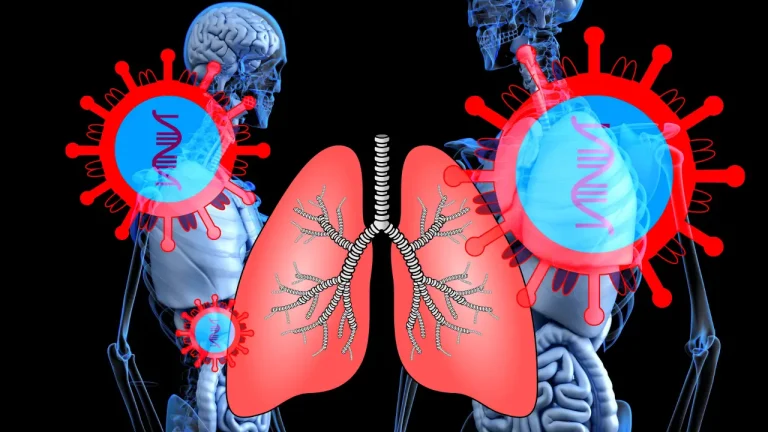
One of the most motivating truths about quitting is how quickly your body starts to repair itself.
Quit Smoking Timeline
20 minutes after quitting – Heart rate and blood pressure begin to drop.
12 hours – Carbon monoxide levels in the blood return to normal.
2–12 weeks – Circulation improves, and lung function increases.
1 year – Risk of heart disease drops by around 50%.
5–10 years – Stroke risk becomes similar to that of a non-smoker.
10 years – Lung cancer risk is significantly reduced.
Your body wants to heal – Quitting simply gives it the chance.
How to Quit Smoking for Good – The Complete Guide
Here is a YouTube video for those of you who prefer watching rather than reading.
The Best Ways to Quit Smoking for Good
There is no single “perfect” way to quit.
What matters is finding the method that works for you.
Here are the approaches that help millions of people successfully stop smoking.
How to Quit Smoking for Good – The Complete Guide
The Cold Turkey Method

This means stopping smoking completely without using nicotine replacements.
Many former smokers prefer this approach because it removes nicotine from the body quickly.
Pros:
- Fastest way to eliminate nicotine
- No dependence on substitutes
- Simple and clear decision
Cons:
- Withdrawal symptoms can feel stronger initially
How to Quit Smoking for Good – The Complete Guide
*** The founder of this site used the cold-turkey method to quit smoking. He kept nicotine gum with him for emergencies, but he got there in the end. 2O odd years later, he still hasn’t had a cigarette. Although he does admit on the odd occasion he has dreamt he was having a cigarette and woke up as if in a nightmare.
Nicotine Replacement Therapy (NRT)
Nicotine replacement products reduce withdrawal symptoms while you break the smoking habit.
Common options include:
- Nicotine patches
- Nicotine gum
- Nicotine lozenges
- Nicotine inhalers
- Nicotine sprays
These allow you to reduce nicotine gradually without inhaling harmful smoke.
Prescription Medications
Doctors sometimes prescribe medications that help reduce cravings.
These work by affecting the brain’s nicotine receptors and reducing the satisfaction cigarettes provide.
For some smokers, this can significantly increase quit success.
Behaviour and Habit Change
One of the most powerful tools is learning to break the smoking routine.
For example:
- Instead of smoking with coffee → take a short walk
- Instead of a cigarette during stress → practice deep breathing
Small changes gradually weaken the habit.
How to Quit Smoking for Good – The Complete Guide
Community Support
Quitting is easier when you’re not doing it alone.
Support can come from:
- Online communities
- Quit-smoking groups
- Friends and family
- Accountability partners
How to Quit Smoking for Good – The Complete Guide
Encouragement from others can make a huge difference during difficult moments.
The 5 Biggest Smoking Triggers (And How to Beat Them)
Almost every smoker has specific triggers that make them reach for a cigarette.
Recognising these is a huge step toward quitting successfully.
Stress
Stress is one of the most common smoking triggers.
Better alternatives include:
- Breathing exercises
- Short walks
- Stretching
- Drinking water
Alcohol
Alcohol lowers inhibition and increases cravings.
Many successful quitters temporarily avoid alcohol during the early stages of quitting.
Boredom
Smoking often fills empty moments.
Replace it with something active:
- Reading
- Exercise
- Podcasts
- Learning new skills
Social Situations
Being around other smokers can be challenging early on.
Prepare responses in advance if someone offers you a cigarette.
A simple “No thanks, I’ve quit” works surprisingly well.
Emotional Triggers
Feelings like frustration, loneliness, or anger can spark cravings.
Building healthier coping mechanisms is key.
How to Handle Smoking Cravings
The Truth About Withdrawal Symptoms
Withdrawal symptoms are temporary.
Most peak within the first 3–5 days and gradually fade over several weeks.
Common symptoms include:
- Irritability
- Difficulty concentrating
- Headaches
- Increased appetite
- Sleep changes
These symptoms are signs that your body is adjusting to life without nicotine.
And they don’t last forever.
How to Quit Smoking for Good – The Complete Guide
A Simple Plan to Quit Smoking for Good
Instead of relying on motivation alone, use a structured approach.
Step 1: Set Your Quit Date
Pick a realistic date within the next two weeks.
Step 2: Remove Cigarettes and Triggers
Throw away cigarettes, lighters, and ashtrays.
Step 3: Tell People You’re Quitting
Accountability increases success.
Step 4: Prepare for Cravings
Have alternatives ready:
- Gum
- Water
- Walks
- Deep breathing
Step 5: Keep Going Even If You Slip
Many people quit successfully after several attempts.
A slip does not mean failure.
It means you’re learning.
How to Quit Smoking for Good – The Complete Guide
The Mindset Shift That Changes Everything
One of the most powerful mindset shifts is this:
You’re not giving something up.
You’re getting your freedom back.
Freedom from:
- nicotine cravings
- the smell of smoke
- spending money on cigarettes
- worrying about health consequences
Every day without cigarettes strengthens that freedom.
Why Many People Fail to Quit (And How You Can Avoid It)
Most quit attempts fail for predictable reasons.
Understanding them helps you avoid the same traps.
Common mistakes include:
- relying on willpower alone
- not preparing for triggers
- trying to quit during extreme stress
- feeling ashamed after a relapse
The truth is simple:
Every quit attempt teaches you something valuable.
Eventually, one of those attempts becomes the one that sticks.
You Are Stronger Than Nicotine
Right now, millions of former smokers are living proof that quitting is possible.
People who smoked for:
- 10 years
- 20 years
- even 40 years
have walked away from cigarettes permanently.
And so can you.
You don’t need perfection – You only need persistence.
Join the QuitSmokingME Community
Quitting smoking is easier when you’re surrounded by people on the same journey.
Inside the QuitSmokingME community, you’ll find:
- motivation and support
- practical quitting strategies
- real stories from people who have quit
- encouragement when cravings hit
You don’t have to do this alone.
Join the community today and take the first step toward a smoke-free life.
How to Quit Smoking for Good – The Complete Guide
FAQ Section
How long does it take to quit smoking for good?
Most withdrawal symptoms peak within 3–5 days and improve significantly within a few weeks. Long-term success depends on breaking the habit and managing triggers.
What is the most effective way to quit smoking?
There is no single method that works for everyone. Successful approaches include cold turkey, nicotine replacement therapy, medications, behavioural changes, and support groups.
Is it possible to quit smoking after many years?
Yes. Many people quit successfully after decades of smoking. The body begins healing almost immediately after quitting.
How many attempts does it take to quit smoking?
Research suggests many smokers attempt quitting several times before succeeding. Each attempt improves your understanding of triggers and strengthens your chances of success.

Please subscribe to QuitSmokingME.com and start your journey to becoming a better, healthier version of yourself.