
10 Common Nicotine Withdrawal Symptoms (And How to Handle Them)
Quitting smoking is one of the best decisions you can make for your health—but let’s be honest, it’s not always easy. One of the biggest hurdles people face is dealing with nicotine withdrawal symptoms.
If you’ve recently quit (or are planning to), understanding what your body and mind are going through can make the process far less intimidating—and far more manageable.
In this guide, we’ll break down the most common nicotine withdrawal symptoms, why they happen, and what you can do to stay in control.
What Is Nicotine Withdrawal?
Nicotine is a highly addictive substance that affects your brain chemistry. When you smoke regularly, your body becomes dependent on it to release dopamine—the “feel-good” chemical.
Once you stop smoking, your body has to adjust to functioning without nicotine. This adjustment period is what causes withdrawal symptoms.
The good news? These symptoms are temporary. Most peak within the first few days and gradually fade over a few weeks.
Why Withdrawal Symptoms Happen
When nicotine leaves your system, your brain essentially says, “Hey, where did that go?” It has been relying on nicotine to regulate mood, focus, and stress.
Without it:
- Dopamine levels drop
- Your nervous system recalibrates
- Your body starts healing
This is actually a positive sign—it means your body is recovering.
Most Common Nicotine Withdrawal Symptoms
Let’s break down what you’re most likely to experience.
1. Cravings for Nicotine
Cravings are the most well-known symptom—and often the toughest.
They can feel intense but usually last only 5–10 minutes. Triggers include:
- Stress
- Coffee or alcohol
- Certain routines (like after meals)
How to handle it:
- Distract yourself immediately
- Drink water or chew gum
- Remind yourself: this will pass
10 Common Nicotine Withdrawal Symptoms
2. Irritability and Mood Swings
You may feel unusually angry, frustrated, or emotional.
This happens because your brain is adjusting to lower dopamine levels.
How to handle it:
- Take short walks
- Practice deep breathing
- Warn people around you (seriously—it helps)
3. Anxiety and Restlessness
Many people feel on edge or unable to relax.
Your body is recalibrating without nicotine’s calming effect.
How to handle it:
- Try light exercise
- Use mindfulness or meditation
- Avoid too much caffeine
4. Difficulty Concentrating
Brain fog is common in the early days of quitting.
You might struggle to focus or feel mentally slower than usual.
How to handle it:
- Break tasks into smaller chunks
- Take regular breaks
- Be patient—this improves quickly
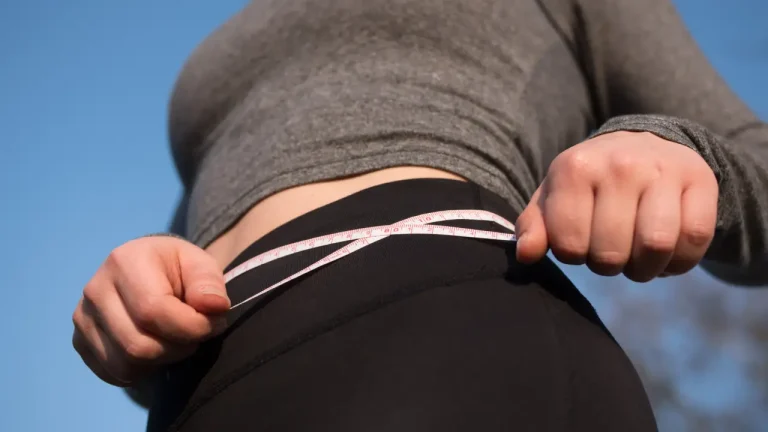
5. Increased Appetite and Weight Gain
Nicotine suppresses appetite and slightly increases metabolism. Without it, you may feel hungrier.
This is why some people gain weight after quitting.
How to handle it:
- Keep healthy snacks nearby
- Stay hydrated
- Don’t replace cigarettes with junk food
10 Common Nicotine Withdrawal Symptoms

6. Sleep Disturbances
You may experience:
- Trouble falling asleep
- Waking up during the night
- Vivid dreams
How to handle it:
- Stick to a consistent sleep schedule
- Avoid screens before bed
- Reduce caffeine intake in the evening
7. Coughing and Sore Throat
This one surprises people—but it’s actually a good sign.
Your lungs are clearing out mucus and toxins.
How to handle it:
- Drink plenty of water
- Use lozenges if needed
- Give it time—your lungs are healing
8. Headaches
Nicotine affects blood vessels, so when you quit, changes in circulation can trigger headaches.
How to handle it:
- Stay hydrated
- Rest when needed
- Use over-the-counter relief if necessary
9. Constipation or Digestive Issues
Nicotine stimulates digestion, so your gut may slow down temporarily.
How to handle it:
- Eat high-fibre foods
- Drink more water
- Stay active
10. Low Mood or Mild Depression
Some people feel down or unmotivated in the early stages.
This is linked to reduced dopamine levels.
How to handle it:
- Stay socially connected
- Get sunlight and fresh air
- Remind yourself: this is temporary
How Long Do Nicotine Withdrawal Symptoms Last?
Here’s a general timeline:
- First 24–72 hours: Symptoms peak (especially cravings and irritability)
- Week 1–2: Symptoms begin to ease
- Week 3–4: Most physical symptoms fade
- After 1 month: Psychological cravings may still appear occasionally
Everyone’s experience is different, but the intensity drops significantly after the first couple of weeks.
10 Common Nicotine Withdrawal Symptoms
Tips to Get Through Withdrawal Faster
If you want to stack the odds in your favour, focus on these:
- Stay busy: Idle time is the enemy
- Change routines: Break the habits linked to smoking
- Use support tools: Apps, communities, or quit plans
- Exercise regularly: It boosts mood and reduces cravings
- Celebrate small wins: Every smoke-free day counts
The Truth About Withdrawal (That No One Tells You)
Withdrawal isn’t a sign you’re failing—it’s a sign you’re winning.
Every craving resisted is your brain rewiring itself. Every uncomfortable moment is your body healing.
It’s temporary discomfort for long-term freedom.
And yes, it’s worth it.
Summary
Nicotine withdrawal symptoms can feel challenging, but they are completely normal and temporary. Understanding what’s happening in your body gives you a major advantage.
The key is to stay prepared, stay patient, and remember that every symptom is a step toward recovery.
10 Common Nicotine Withdrawal Symptoms
List of the Most Common Nicotine Withdrawal Symptoms
- Nicotine cravings
- Irritability and mood swings
- Anxiety and restlessness
- Difficulty concentrating
- Increased appetite
- Weight gain
- Sleep disturbances
- Coughing and sore throat
- Headaches
- Digestive issues (e.g., constipation)
- Low mood or mild depression
If you find this information useful on your journey to becoming a healthier, non-smoking version of yourself, please share it with your friends and colleagues.
Many thanks from the team at Quit Smoking ME.